Auxein Medical Orthopedic & Clinical Blog Banner
Insights & Innovation

Orthopedic Insights & Knowledge

Explore the latest advances in orthopedic implants, trauma solutions, surgical technology, and healthcare industry news from Auxein Medical.

0%

What Is the Best Orthopedic Power Drill in 2026? The answer depends on the procedure, the surgical team, and the demands of the operating room. A drill that feels balanced in a surgeon’s hand may be less practical when battery changes, cleaning, or attachment swaps slow the workflow. Small details matter.

The need is substantial. The World Health Organization’s 2022 Musculoskeletal Health fact sheet estimates that about 1.71 billion people worldwide live with musculoskeletal conditions. That figure describes a broad health burden, not demand for drills or a sales forecast. Commercial orthopedic power-tool market reports can help explain market direction, but their estimates vary with product definitions and methods. Treat projections as context, not proof of clinical performance.

This guide compares practical selection factors: speed and torque control, handpiece balance, battery reliability, attachment range, noise, and cleaning requirements. It also considers manufacturer instructions and publicly available FDA 510(k) records, where relevant, rather than treating a feature list as a safety guarantee. Check the exact model and intended use. A compact drill may suit one task, while another calls for different power or accessories. There is no universal winner. Even published specifications may not capture vibration through a glove, grip comfort after repeated use, or how quickly a sterile battery can be replaced. Those differences deserve careful review.
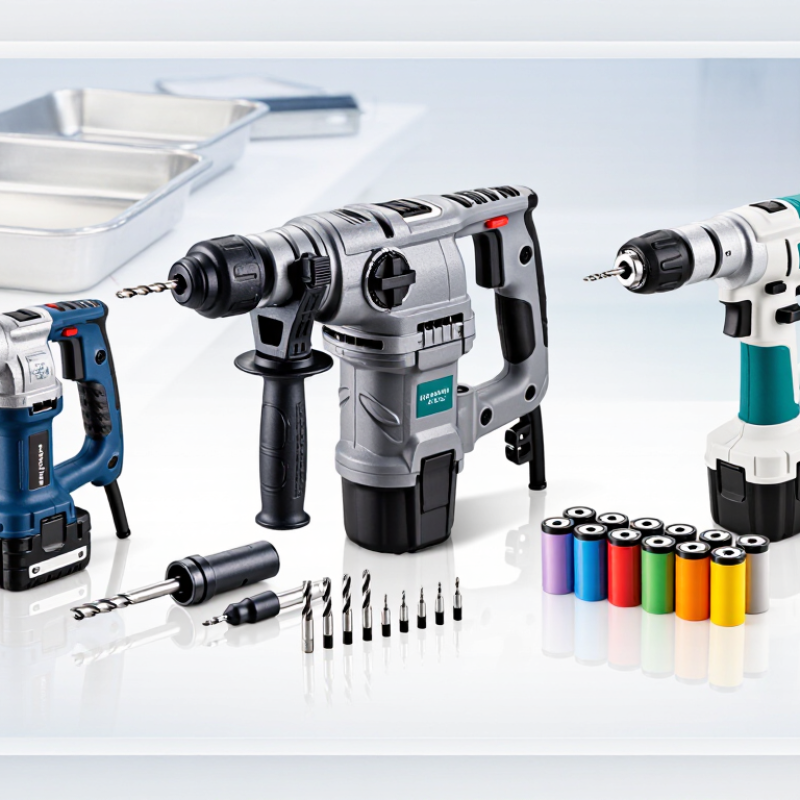
What Is the Best Orthopedic Power Drill in 2026?

What Is an Orthopedic Power Drill?

An orthopedic power drill is a motor-driven surgical instrument used to make controlled holes in bone. Surgeons may use it when placing screws, preparing bone tunnels, or completing other orthopedic procedures. Not a household tool. Its handpiece connects to a sterile, procedure-appropriate drill bit, while the motor supplies rotation suited to the task.

Different systems may be battery-powered, electric, or pneumatic. Their design can support control of speed and torque, but settings depend on the procedure, the bone, and the surgeon’s judgment.
A drill used on dense bone may need different handling from one used on smaller or more delicate structures. The instrument does not make the decision; trained clinical staff do.

Control matters. Friction can generate heat, so technique, bit condition, and appropriate cooling may help limit thermal injury to bone. The surgical team also checks compatibility, sterility, and function before use. Details such as grip and balance can affect precision, though they are easy to overlook when comparing specifications. No single drill is best for every operation; the right system depends on the intended use and clinical setting.

How Orthopedic Power Drills Are Used in Surgery

What Is the Best Orthopedic Power Drill in 2026?
How Orthopedic Power Drills Are Used in Surgery

In orthopedic surgery, a power drill helps create controlled holes in bone for procedures such as fracture fixation and joint reconstruction. The surgeon selects a drill bit and settings suited to the task and the patient’s anatomy. Bone is not uniform; its density can vary across a single area. That matters.

During use, the surgical team maintains a sterile field and follows the procedure’s established plan. Irrigation may help manage heat, while the surgeon monitors resistance and the drill’s response. A steady grip and clear visibility are important. Small details count.

Choosing a drill is about more than speed. Weight, balance, battery reliability, cleaning requirements, and compatibility with sterile components can affect workflow. A polished specification sheet can still miss the feel of the instrument in a gloved hand. That is worth reflecting on. No single model or setting fits every operation, so clinicians rely on training, patient-specific judgment, and institutional protocols. This article is general information, not a guide to performing surgery.

Key Features That Determine Drill Performance

What Is the Best Orthopedic Power Drill in 2026?

Key Features That Determine Drill Performance

A dependable orthopedic drill should deliver controlled power, not simply a high top speed. Variable speed and responsive torque help clinicians match performance to the procedure and the required attachment. A secure chuck matters, too; looseness can affect precision and create unwanted movement. Smooth control counts.

Ergonomics shape performance over long procedures. A balanced handpiece, accessible controls, and manageable vibration can reduce hand fatigue. Check battery runtime, charging needs, and whether the system maintains consistent power as the battery drains. Reprocessing compatibility is essential: confirm cleaning and sterilization requirements for each component. Heat, noise, and service support deserve attention as well. These details are easy to overlook.

Tips: Compare drills using the attachments and workflow your team actually uses. Review published specifications, then assess grip, balance, and control through an approved evaluation. No single feature proves a drill is best. Suitability depends on the procedure, staff preferences, and facility protocols.

Leading Orthopedic Power Drill Systems in 2026

What Is the Best Orthopedic Power Drill in 2026?

Leading Orthopedic Power Drill Systems in 2026

The strongest systems are not simply the fastest. They pair dependable torque with controllable speed, balanced handpieces, clear battery-status indicators, and attachments suited to the planned procedure. In practice, surgeons notice small things: a secure chuck, a steady grip in a wet glove, and a battery that lasts through a long case. Noise, vibration, and heat also deserve attention. Ask for performance data under representative loads, not just unloaded speed.

Sterilization and service matter just as much. A system should have clear reprocessing instructions, validated compatible components, and a practical backup plan if a handpiece fails. The World Health Organization’s Global Guidelines for the Prevention of Surgical Site Infection report that SSI affects about 11% of patients undergoing surgery in low- and middle-income countries. That figure is not drill-specific, but it underscores why cleanable design and reliable reprocessing workflows belong in any comparison.

The CDC’s 2022 National Healthcare Safety Network report tracks procedure-specific SSI standardized infection ratios; it does not rank drill systems. That distinction matters. Compare documented service life, repair turnaround, sterilization-cycle compatibility, and support for different attachments. No checklist captures every hand feel. That judgment is imperfect, too. A hands-on evaluation by the clinical and sterile-processing teams can reveal awkward balance or slow setup that a specification sheet misses.

How Surgeons Evaluate and Select a Drill System

Surgeons evaluate an orthopedic power drill as part of a complete surgical system, not as a tool in isolation. They consider the procedures performed, the bone involved, and the attachments the team needs. In hands-on trials, grip comfort, balance, and trigger response become clear during repeated starts and stops. Feel matters.

A drill should provide controllable speed and torque for the intended tasks, with minimal vibration and manageable noise. Surgeons also check how securely attachments lock and whether controls remain usable with gloved hands. A brief test on a bone model can reveal awkward handling that a specification sheet misses. Small details count.

Evaluation extends beyond the operating room. Teams review cleaning and sterilization instructions, battery readiness, charging time, and access to compatible attachments. They may also assess maintenance support and staff training needs. A powerful drill is not automatically the right choice. Not every case. Surgeons should compare systems under realistic conditions and involve operating-room staff, sterile-processing personnel, and clinical engineering. Selection can still involve trade-offs: a familiar grip may matter more than a feature used rarely. The best fit is the system the team can operate reliably, prepare correctly, and support over time.

FAQS

What is an orthopedic power drill?

It is a motor-driven surgical instrument used to create controlled holes in bone. It is not a household tool.

What are orthopedic power drills used for?

Surgeons may use them during fracture fixation, joint reconstruction, or other orthopedic procedures. The exact use depends on the clinical plan.

What powers these drills?

Systems may use batteries, electricity, or compressed air. The power source can affect workflow, but it does not determine suitability by itself.

How are drill settings selected?

Trained clinical staff consider the procedure, the patient’s anatomy, and the bone’s density. Bone can vary even within one area.

Why does heat matter during drilling?

Friction can warm bone and may cause thermal injury. Technique, bit condition, and appropriate cooling can help manage heat.

What checks happen before a drill is used?

The team checks function, sterility, and compatibility with the required components. Small details matter.

What should clinicians consider when comparing drills?

Weight, balance, grip, battery reliability, and cleaning requirements can affect workflow. A specification sheet cannot show every gloved-hand detail.

Is one orthopedic drill best for every operation?

No. The suitable system depends on the procedure, clinical setting, and professional judgment. There is no universal choice.

Conclusion

An Orthopedic Power Drill is a surgical instrument designed to create precise openings in bone and support procedures such as fixation, reconstruction, and joint surgery. Its performance depends on more than speed: surgeons also consider torque, control, battery life, balance, noise, sterilization requirements, and compatibility with surgical attachments. The right drill should deliver consistent power while allowing careful handling in demanding operating-room conditions.

In 2026, leading orthopedic drill systems can be compared by their functionality, reliability, ergonomic design, and suitability for different procedures. Surgeons and medical teams typically assess how easily a system can be operated, maintained, and integrated into existing workflows, as well as whether it meets their clinical needs. There is no single best choice for every setting; the most appropriate system is the one that combines dependable performance, precise control, and practical usability for the intended surgical applications.

Evelyn

Evelyn

Evelyn is a dedicated marketing professional with a strong understanding of the company’s products, services, and customer-focused solutions. Through clear communication and thoughtful content strategy, she helps translate complex product features into practical insights that are easy for readers......