Orthopedic Insights & Knowledge
Explore the latest advances in orthopedic implants, trauma solutions, surgical technology, and healthcare industry news from Auxein Medical.
7 Best Oscillating Surgical Saws for Global Buyers
Table of Contents
Choosing an Oscillating Surgical Saw is a practical decision, not just a comparison of speed or price. In an operating room, surgeons need controlled cutting, a secure grip, and predictable performance. A handpiece that feels balanced during a brief demonstration may feel different during a longer procedure. Small details matter.
This guide introduces seven options for global buyers, with attention to factors that affect daily use. These include oscillation control, noise and vibration, battery capacity, blade compatibility, cleaning workflow, and access to replacement parts. Buyers should also check the manufacturer’s documentation, warranty terms, training resources, and service coverage in their own region. Medical-device requirements vary between markets, so confirm applicable approvals and local procurement rules before ordering. A product listing alone is not enough.
There is no single best saw for every hospital. A busy surgical center may value quick battery changes, while another facility may prioritize dependable local maintenance. Budget matters, but so do lifecycle costs and staff familiarity. Specifications can help narrow the field; they cannot replace hands-on evaluation or clinical judgment. This comparison is a starting point, not a substitute for professional review. Some information may be difficult to compare across brands, and that deserves a closer look. Buyers should ask vendors direct questions and verify claims against current product documents.
What Is an Oscillating Surgical Saw and How Is It Used?
An oscillating surgical saw is a powered instrument used to cut bone during selected orthopedic procedures. Its blade moves rapidly from side to side rather than rotating in a full circle. This short arc can help clinicians make controlled cuts in confined areas, such as trimming bone or preparing a surface for reconstruction. For example, a surgeon may use one when preparing bone for a procedure or fitting an implant. It is not a general-purpose cutting tool. The appropriate blade and technique depend on the procedure and the patient. Small motions matter.
Before use, operating-room staff check the handpiece and blade attachment. They also confirm sterile packaging and blade suitability. During surgery, the clinician guides the saw with controlled contact while the team maintains visibility and protects nearby tissue. Bone can heat under friction, so technique, irrigation when indicated, and avoiding excess pressure may help limit thermal injury. The tool also produces vibration and noise. Those details are easy to overlook. After use, reusable components require validated cleaning and sterilization; disposable blades follow facility protocols. A saw’s apparent simplicity can be misleading. Safe use relies on training, maintenance, and judgment, all of which deserve regular review.
How to Evaluate Oscillating Saws for Surgical Applications
For global buyers, a surgical oscillating saw should be assessed as part of a complete clinical workflow. Check cutting control, handpiece balance, vibration, and visibility around the blade. Ask for documented performance testing under realistic conditions, not just unloaded speed figures. A stable grip matters when the surgeon works close to delicate tissue. So does predictable blade attachment.
Reprocessing deserves equal attention. Confirm that the manufacturer’s validated cleaning and sterilization instructions fit the facilities where the device will be used. The CDC’s 2017 surgical-site infection guideline reports that infections affect 2–5% of patients undergoing inpatient surgery in the United States. This figure is not a measure of saw-related risk, but it highlights why reusable instruments need reliable reprocessing. The WHO’s 2016 global guidelines also provide a useful framework for infection-prevention decisions. Battery life, service access, and local blade availability matter too. A low purchase price can become costly when parts are difficult to source.
Tips: Request sample blades and trial the saw with gloved hands. Check noise, heat, and cleaning access. Small details matter. Record the exact battery runtime and sterilization cycle used during testing. One trade-off is easy to miss: a lighter handpiece may still feel tiring during repeated procedures. Test it with the intended team before ordering.
Seven Oscillating Surgical Saws for Global Buyers
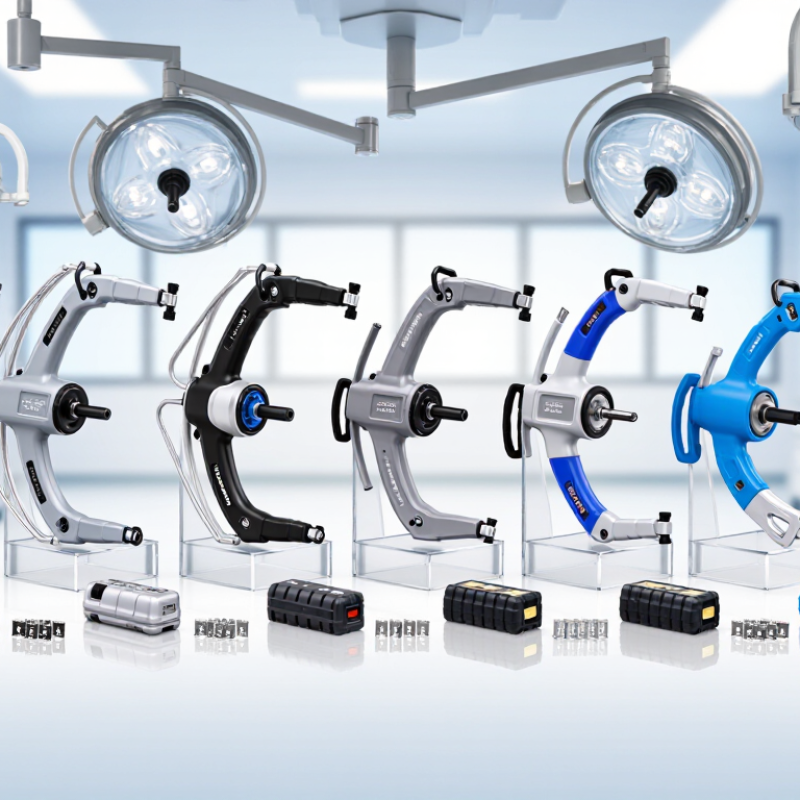
Choosing among seven oscillating saw configurations starts with the procedure, not the catalogue. Compact handpieces can suit restricted access, while standard models offer a familiar grip for routine bone cutting. Higher-torque options may help with demanding cuts, but added power is not automatically better. Low-vibration designs can improve handling. Battery-powered units reduce cable clutter, while corded systems avoid battery-change delays. Modular sets may simplify accessory selection, though they can add storage and training needs.
Check the blade connection, compatible blade sizes, sterilization instructions, and service support before comparing prices. Ask suppliers for clear documentation on cleaning, maintenance, and device registration in your destination market. Confirm that local clinical teams can access replacement parts and technical assistance. These details are less visible than cutting speed. They matter.
Tips: Request a demonstration using the intended setup, and verify handling with the clinical team. Compare noise, balance, and heat during realistic use. Review the applicable regulatory documentation with qualified procurement staff. There is no universal best saw; even a well-specified model may feel awkward in one team’s hands.
How the Seven Models Compare in Key Features
Comparing seven oscillating surgical saws requires more than ranking headline speed. Buyers should examine oscillation rate, stroke length, handpiece weight, battery runtime, and blade-change design. These details shape control during bone cuts and comfort across long operating lists. Check whether the battery and handpiece can be sterilized as specified, and whether replacement blades are easy to source locally. Small differences matter. A heavier tool may feel stable in a brief test but tiring after repeated use.
The Lancet analysis by Weiser and colleagues estimated 234 million major operations worldwide in 2004. It is a historical estimate, not a current annual count, but it shows why dependable surgical equipment matters across varied settings.
For the seven models, compare published specifications against the intended procedure, power supply, service access, and cleaning workflow. Ask suppliers for validated runtime and sterilization instructions, not just brochure claims. A neat scorecard can still mislead; test grip with gloves, and check how quickly staff can swap blades.
Some specifications are awkward to compare. That is worth admitting. A buyer’s shortlist should record evidence gaps, too.
What Global Buyers Should Check Before Purchasing
Before comparing oscillating surgical saws, define the procedures, workloads, and reprocessing methods they must support. Ask suppliers for verified oscillation rate, blade compatibility, battery runtime, and duty-cycle data. Check whether the handpiece tolerates the facility’s validated cleaning and sterilization process. WHO’s 2022 Global report on infection prevention and control estimates that 7% of patients in high-income countries and 15% in low- and middle-income countries acquire at least one healthcare-associated infection during an acute-care stay. That is a practical reason to examine sealed surfaces, accessible joints, and clear reprocessing instructions—not just cutting performance. Fit matters.
Arrange hands-on evaluation with surgeons and biomedical engineering staff. Note grip balance with gloves, vibration, noise, heat, and how securely blades lock in place. Ask how quickly batteries recharge and whether spare batteries, blades, and service support are available in the destination market. Confirm warranty terms, training materials, and the supplier’s process for handling repairs. Test it. A specification sheet cannot reveal fatigue after repeated use, and one short trial may miss it. Record observations across several users and realistic tasks; then compare results against your hospital’s requirements, rather than relying on a single demonstration.
7 Best Oscillating Surgical Saws for Global Buyers - What Global Buyers Should Check Before Purchasing
Comparison of common oscillating-saw configurations for orthopedic use. These are equipment categories, not specific products; features and compatibility vary by model. Confirm all details in the manufacturer’s instructions for use (IFU) and with the relevant regulatory authority.
| Configuration | Best suited for | Power and mobility | Blade and setup checks | Cleaning and sterilization checks | Key purchasing trade-off |
|---|---|---|---|---|---|
| 1. Corded oscillating saw system | Facilities that prioritize continuous power and have a suitable powered-instrument setup. | Receives power through a compatible console or control unit; the cable can limit movement and requires careful management in the sterile field. | Confirm console and handpiece compatibility, blade attachment, cable length, and locally available blade sizes. | Check which components can be sterilized, the validated cycle, and whether cables or connectors require special handling. | Avoids battery charging logistics, but requires compatible powered equipment and cable management. |
| 2. Cordless battery-powered oscillating saw | Operating rooms where freedom from a power cable is a priority. | Self-contained power supports mobility; available runtime depends on the battery, workload, and system design. | Confirm battery type, charging equipment, spare-battery availability, attachment method, and permitted blade range. | Battery and handpiece processing requirements differ by system. Verify whether the battery must be removed before cleaning or sterilization. | Improves mobility but adds charging, battery replacement, and inventory-management needs. |
| 3. Compact, lightweight oscillating saw | Procedures where a smaller handpiece may aid access or maneuverability. | May be corded or cordless; weight and balance depend on the complete setup, including battery or cable. | Assess grip, handpiece balance, blade visibility, attachment security, and whether the intended blade shapes are supported. | Review cleaning access around the blade mount and any moving or recessed parts; follow the model-specific IFU. | Can favor handling, but suitability depends on the required cutting task and compatible accessories. |
| 4. High-power oscillating saw handpiece | Workloads that require a system designed for demanding bone-cutting tasks. | Power output and operating characteristics are system-specific; do not compare performance using a single specification alone. | Request applicable performance data, compatible blade specifications, and guidance on intended procedures from the manufacturer. | Confirm validated reprocessing instructions and any inspection or maintenance requirements for the handpiece. | Potentially appropriate for heavier workloads, but training, maintenance, and procedure-specific evaluation are essential. |
| 5. Oscillating saw with multiple blade options | Facilities needing different blade lengths, widths, or tooth patterns for varied procedures. | Power source varies by system; blade choice and technique affect cutting performance. | Check the approved blade catalog, attachment interface, local supply, packaging, and whether blades are single-use or reusable. | For reusable blades, verify validated cleaning and sterilization instructions; for single-use blades, confirm disposal requirements. | Offers procedural flexibility but may increase accessory selection and stock-control complexity. |
| 6. Oscillating saw in a modular powered-instrument platform | Hospitals already using a compatible platform for more than one powered surgical instrument. | May share a console, battery platform, or accessories with other instruments, depending on the system. | Verify exact cross-compatibility; similar-looking connectors or batteries are not necessarily interchangeable. | Check separate processing instructions for each handpiece, attachment, battery, and reusable accessory. | May consolidate equipment, but compatibility should be documented for every component and configuration. |
| 7. Oscillating saw supplied as a complete procedural set | New installations or procurement programs seeking a coordinated handpiece, power source, and accessory package. | Can be supplied with a console or batteries, depending on the offered configuration; confirm exactly what is included. | Request a complete contents list, compatible blade options, spare-part list, and any required accessories not included. | Obtain IFUs for every reusable component and confirm that local sterilization facilities can meet the specified process. | Simplifies initial planning, but compare the full lifecycle cost, service coverage, consumables, and replacement-part availability. |
Global purchasing checklist
- Confirm regulatory authorization, import requirements, labeling, and documentation for the destination market.
- Request the current IFU, validated cleaning and sterilization instructions, and training materials in the required language.
- Verify local service availability, warranty terms, repair turnaround, spare parts, and consumable supply continuity.
- Compare total cost of ownership, including the handpiece, power unit, batteries, chargers, blades, maintenance, and reprocessing.
- Evaluate the complete system with clinical and sterile-processing teams before purchase; suitability depends on intended use and local practice.
FAQS
Start with the intended procedure and access needs. A compact handpiece may suit restricted spaces. There is no universal best choice.
No. Added power is not automatically useful. Match torque to the intended cuts and ask the clinical team to test handling.
Compare oscillation rate, stroke length, handpiece weight, battery runtime, and blade-change design. Small differences can affect comfort.
Test grip with gloves and check balance, noise, and heat. Try the intended setup. A brief test may not reveal fatigue.
Battery-powered units reduce cable clutter. Corded systems avoid battery-change delays. Consider the room setup and operating workflow.
Confirm the blade connection and compatible blade sizes. Review sterilization and cleaning instructions for both handpiece and battery.
Check local access to replacement blades, parts, and technical assistance. Request maintenance documentation and verify relevant registration requirements with qualified staff.
Ask for validated runtime and sterilization instructions, not brochure claims alone. One historical estimate counted 234 million major operations worldwide in 2004; it is not a current annual count. A scorecard can still mislead.
Conclusion
An Oscillating Surgical Saw is a powered instrument designed to make controlled cutting motions for procedures involving bone. Its oscillating action can support precise work in confined surgical areas, while appropriate blade selection and handling help match the instrument to the intended application. Evaluating a saw for surgical use means considering factors such as cutting performance, balance, vibration, noise, ergonomics, sterilization requirements, power options, and compatibility with blades and other equipment.
This guide introduces seven saw models for global buyers and compares their key features to help readers understand how their designs and capabilities differ. Before purchasing, buyers should also assess durability, maintenance needs, availability of replacement parts, technical support, product documentation, and suitability for their clinical setting. Careful comparison of both performance and practical ownership considerations can help organizations make an informed choice for their surgical requirements.

Blog Tags: