Orthopedic Insights & Knowledge
Explore the latest advances in orthopedic implants, trauma solutions, surgical technology, and healthcare industry news from Auxein Medical.
Top PLIF Lumbar Cage Manufacturers for Global Buyers
Table of Contents
- PLIF Lumbar Cages: Definition, Purpose, and Clinical Applications
- Key Features and Materials of High-Quality PLIF Lumbar Cages
- How to Evaluate PLIF Lumbar Cage Manufacturers
- Leading PLIF Lumbar Cage Manufacturers for Global Buyers
- Global Sourcing, Quality Standards, and Purchasing Considerations
- FAQS
- Conclusion
- Related Posts
Choosing a PLIF Lumbar Cage supplier requires more than comparing product photos or quoted prices. Global buyers need dependable evidence, consistent manufacturing, and clear communication. This guide examines leading manufacturers through practical criteria, including cage materials, implant design, production capacity, quality systems, and export support.
A reliable manufacturer should explain its product specifications in precise language. Key details include PEEK or titanium construction, imaging characteristics, footprint options, lordotic angles, and surface treatments. Buyers should also review sterilization processes, packaging controls, traceability records, and clinical documentation. ISO 13485 certification can indicate a structured quality system, but it should not replace independent verification. Regulatory acceptance also differs between markets.
Real purchasing decisions are rarely simple. A manufacturer may offer excellent machining but limited customization. Another may provide strong documentation but longer lead times. Some suppliers appear competitive until tooling, inspection, or shipping costs are added. These practical differences matter in hospital procurement and distributor planning.
Not every company publishes complete information. That deserves attention. The absence of evidence is not proof of poor quality, but it should invite careful questions. Buyers can request audit reports, material certificates, sample evaluations, and references from established healthcare partners. They should also confirm whether technical support remains available after delivery.
This overview introduces manufacturers that serve international buyers and highlights the factors behind dependable selection. It does not replace surgeon judgment, regulatory review, or local clinical requirements. Instead, it offers a grounded starting point for comparing PLIF Lumbar Cage suppliers with greater confidence, caution, and professional discipline.
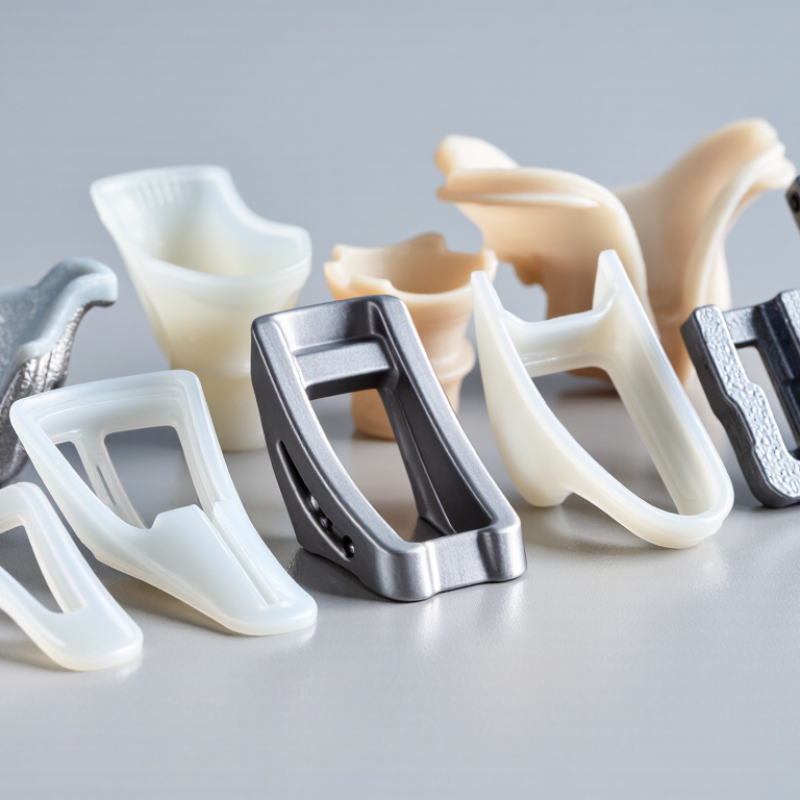
PLIF Lumbar Cages: Definition, Purpose, and Clinical Applications
A posterior lumbar interbody fusion (PLIF) cage is an implant placed between lumbar vertebral bodies. Surgeons insert it through a posterior approach after removing damaged disc material. The cage maintains disc height and supports bone growth between adjacent vertebrae.
Its purpose extends beyond spacing. It can help restore foraminal height, improve segment alignment, and share mechanical loads with the surrounding fixation system. Bone graft material is commonly packed inside or around the cage. Clinical applications may include degenerative disc disease, recurrent disc problems, instability, and selected cases of spondylolisthesis. Indications vary. Patient anatomy and imaging matter more than a catalog description.
Cage geometry, surface design, radiographic markers, and material selection influence surgical handling and follow-up imaging. Common material categories include polymer-based and metal-based designs, each with practical advantages and limitations. A cage that performs well in one anatomy may be unsuitable in another. That is easy to overlook.
For global buyers, reliable evaluation requires more than comparing prices. Review quality systems, sterilization controls, traceability, mechanical testing, and regulatory documentation. Ask whether the manufacturer provides clear surgical instructions and consistent batch records. Clinical evidence should be assessed carefully, because marketing language can exceed published data. Surgeon feedback is valuable, but it is not a substitute for independent clinical judgment.
Key Features and Materials of High-Quality PLIF Lumbar Cages
High-quality PLIF lumbar cages combine dependable materials with anatomy-focused design. PEEK is widely used because it approximates bone stiffness and remains radiolucent. This allows clearer postoperative imaging around the fusion area. Many designs include radiopaque markers, often made from tantalum, for accurate cage positioning.
Titanium and porous titanium provide strong structural support and may encourage bone ongrowth. Their surface texture matters. A controlled pore structure can improve bone integration, but excessive roughness may complicate insertion. Cage teeth should resist migration without damaging the endplate. That balance requires careful engineering. A large graft window also helps surgeons pack autograft or approved bone graft substitutes around the fusion zone.
A suitable PLIF cage should offer multiple footprints, heights, and lordotic angles. These options help match different disc spaces and spinal anatomies. However, a wider cage is not automatically safer. Over-sizing can increase endplate stress and make insertion more difficult. In practice, sizing remains partly dependent on surgical judgment and imaging quality.
Global buyers should examine material certificates, dimensional tolerances, sterilization records, and traceability procedures. Manufacturing under a recognized quality system supports consistency, but paperwork alone cannot prove clinical performance. Buyers should also review fatigue testing, packaging integrity, and instructions for use. Small details matter. A cage that looks precise may still perform poorly if its inserter connection is unstable or its graft chamber is difficult to fill.
How to Evaluate PLIF Lumbar Cage Manufacturers
Demand is rising, but demand alone proves little. The Lancet Rheumatology’s 2023 Global Burden of Disease analysis estimated 619 million people had low back pain in 2020. It projects 843 million cases by 2050. This pressure makes supplier selection more important, not faster.
Evaluate each manufacturer through documented evidence. Request ISO 13485 certification, recent audit findings, and batch traceability records. Confirm whether cage materials match ASTM F2077 compression testing and ASTM F2267 subsidence testing. Ask for test reports, not attractive brochures. Those reports should identify specimen size, test method, failure mode, and laboratory accreditation.
Clinical evidence deserves closer inspection. Review peer-reviewed PLIF studies, follow-up duration, fusion rates, subsidence data, and revision rates. Separate surgeon experience from manufacturer-funded claims. Check regulatory records through the relevant national database, including recalls, adverse-event reports, and corrective actions. The FDA MAUDE database can reveal recurring complaints, although it cannot prove causation.
Inspect the factory if possible. Watch how implants are cleaned, packaged, and released. A strong supplier explains nonconforming-product controls without hesitation. Pricing is useful, but unusually low pricing may signal limited validation or weak after-sales support. I would also test communication during a small pilot order. It sounds minor. It is not.
No manufacturer is flawless. The real question is whether its evidence is complete, current, and independently checkable.
Leading PLIF Lumbar Cage Manufacturers for Global Buyers
Leading PLIF lumbar cage manufacturers for global buyers combine clinical awareness with disciplined engineering. They understand the pressure inside a posterior lumbar interbody fusion procedure. Their teams study cage height, lordotic angle, graft windows, and insertion instruments together. Small design choices matter. A rough edge can complicate placement. An undersized cage may provide limited support.
Experienced manufacturers usually offer cages in PEEK, titanium, or hybrid constructions. They explain why each material suits a specific surgical need. Some provide porous surfaces designed to support bone integration. Others prioritize radiolucency for clearer postoperative imaging. Global buyers should request dimensional drawings, material certificates, fatigue-test data, and sterilization details. These documents reveal more than polished product photographs.
Reliable suppliers maintain controlled production, lot traceability, and documented inspection points. ISO 13485 certification can support confidence, but it does not replace technical review. Buyers should examine regulatory records for each target market. Packaging integrity matters too, especially after long-distance transport. Ask for sample labels and instructions for use. A practical conversation with surgeons can expose awkward instruments or unclear sizing charts. Not every catalogue is equally useful. Some manufacturers communicate well, yet their evidence remains thin. Careful buyers should pause there, compare independent test results, and record unanswered questions before placing an order.
Top PLIF Lumbar Cage Manufacturers for Global Buyers
Representative elastic modulus of commonly used PLIF cage and reference materials
Values are representative literature-based figures in GPa. Actual performance varies by material grade, porosity, fiber orientation, implant design, and testing method. A lower modulus may provide closer biomechanical similarity to bone, while titanium offers high stiffness and radiographic visibility.
Global Sourcing, Quality Standards, and Purchasing Considerations
Top PLIF Lumbar Cage Manufacturers for Global Buyers
Selecting a PLIF lumbar cage manufacturer requires more than comparing unit prices. From practical sourcing experience, global buyers should examine design control, material traceability, and clinical documentation. Ask whether titanium or PEEK components have documented specifications, inspection records, and batch-level identification. Request evidence of quality systems, such as ISO 13485 certification, while confirming its current validity. Regulatory expectations differ by destination. Do not treat one certificate as universal approval.
Experienced purchasing teams also review sterilization methods, packaging integrity, dimensional tolerances, and change-control procedures. These details affect surgical handling and long-term supply reliability. However, paperwork can look stronger than daily production discipline. An on-site audit or qualified third-party inspection may reveal gaps in sampling, labeling, or corrective actions. That extra step costs time. It may prevent expensive delays later.
Tips:
Build a comparison sheet covering lead time, minimum order quantities, tooling ownership, complaint response, and after-sales support. Request samples for dimensional review, but do not mistake a polished sample for stable production. Clarify freight terms, customs responsibilities, language support, and forecast flexibility before signing. Include acceptance criteria in writing. That sounds basic. Many disputes begin there. Ask for references from comparable markets when appropriate, and verify claims independently. Pricing matters, but evidence, communication, and patient-safety responsibilities matter more.
FAQS
It is an implant placed between lumbar vertebrae after damaged disc material is removed. It helps maintain disc height and supports bone growth.
The cage can restore foraminal height, improve segment alignment, and share loads with nearby fixation hardware. Bone graft is commonly placed inside or around it.
Possible applications include degenerative disc disease, recurrent disc problems, spinal instability, and selected spondylolisthesis cases. Patient anatomy matters more than a product description.
Polymer-based and metal-based cages offer different handling and imaging characteristics. Geometry, surface design, and radiographic markers also affect surgical use.
Request quality certificates, audit findings, batch records, sterilization controls, and mechanical test reports. Do not rely on attractive brochures alone.
Compression and subsidence testing can provide useful evidence. Reports should identify specimen size, test method, failure mode, and laboratory accreditation.
Review peer-reviewed studies, follow-up duration, fusion rates, subsidence data, and revision rates. Marketing claims may exceed published evidence.
Observe cleaning, packaging, release procedures, and nonconforming-product controls. A small pilot order can reveal communication problems. That matters.
Not always. Unusually low pricing may reflect limited validation or weak support. I would compare complete evidence, not only the quotation.
No. Surgeon experience is valuable, but it cannot replace clinical judgment, regulatory checks, and independently verifiable documentation. Mistakes remain possible.
Conclusion
PLIF Lumbar Cage devices are designed for posterior lumbar interbody fusion, helping restore disc height, support spinal alignment, and promote bone fusion in patients with conditions such as degenerative disc disease, instability, or recurrent pain. High-quality cages typically use biocompatible materials such as PEEK, titanium, or advanced composite structures. Important features include appropriate anatomical shape, strong load-bearing performance, controlled subsidence resistance, radiographic visibility, and surface designs that encourage bone integration.
For global buyers, evaluating PLIF Lumbar Cage manufacturers requires careful review of product consistency, engineering expertise, clinical suitability, manufacturing capabilities, and quality management systems. Buyers should also examine regulatory documentation, sterilization processes, traceability, packaging, and technical support. Reliable international sourcing depends on clear specifications, transparent communication, stable supply capacity, and compliance with applicable standards in the destination market. By comparing materials, design options, quality controls, delivery terms, and long-term service, healthcare organizations can select suitable suppliers while supporting patient safety and dependable clinical outcomes.

Blog Tags: